
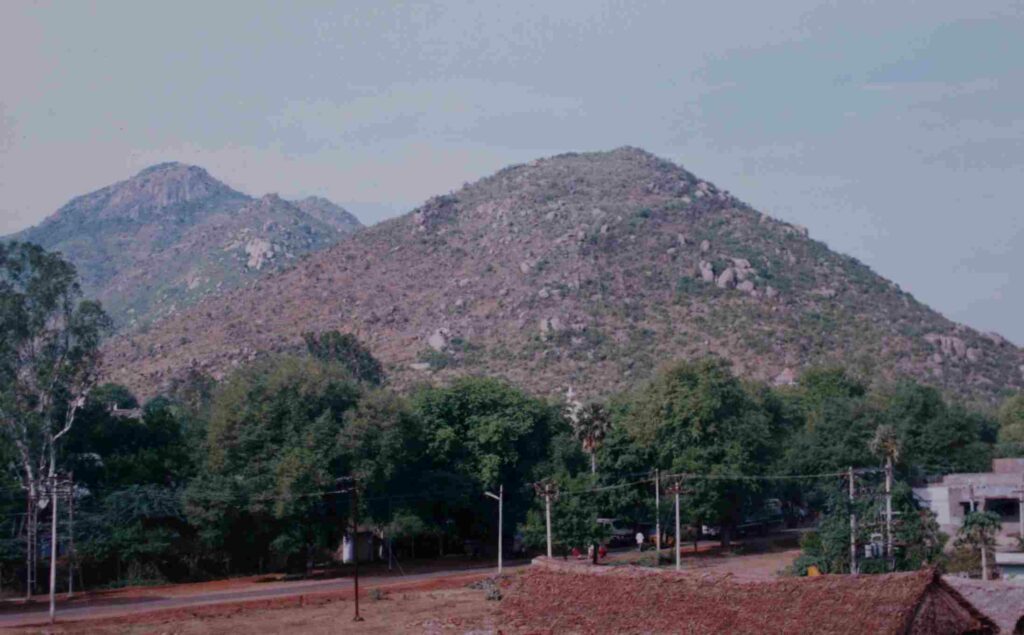
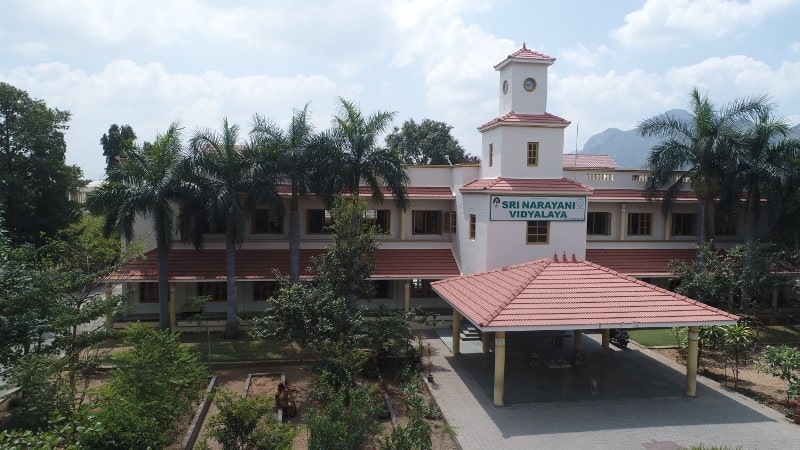
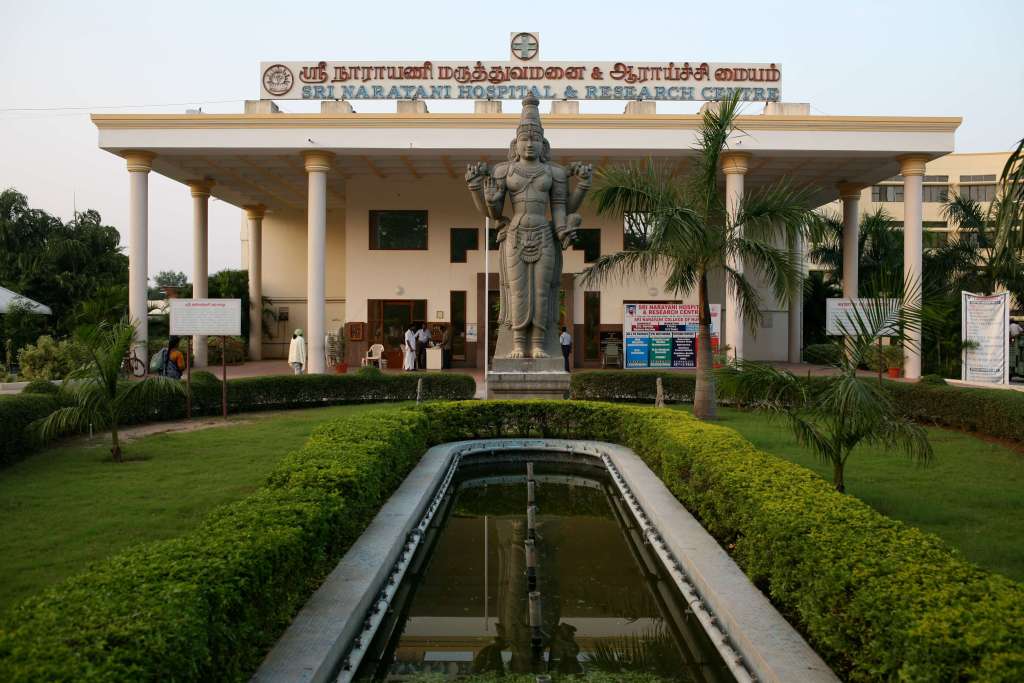
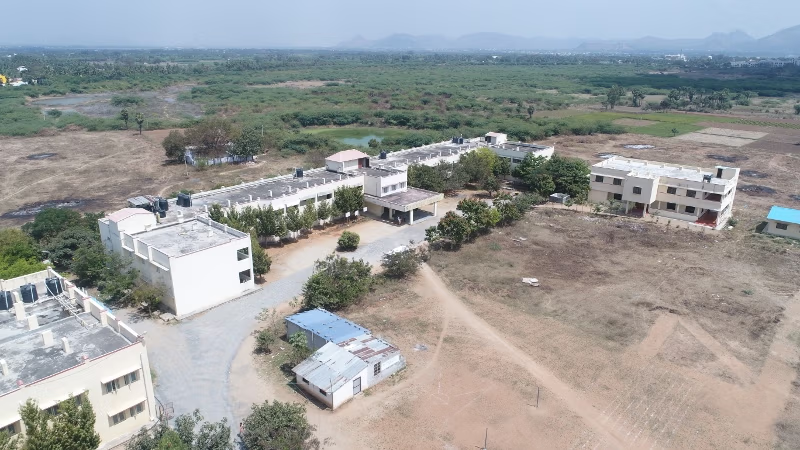
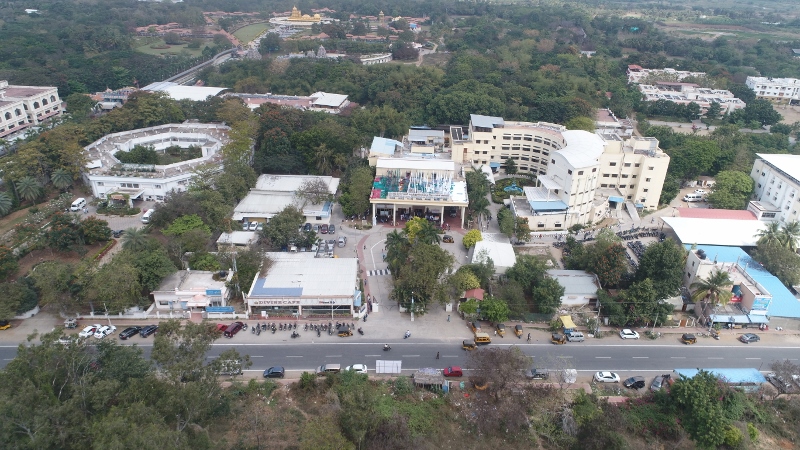
An unexpected invitation to Cathy and John Wenuk, co-founders of Canadians Sharing Locally and Globally Charity, was the beginning of an extraordinary journey. In 1999, Cathy and John were invited by Indian friends in Ottawa to visit a small village called Thirumalaikodi in a rural area surrounding Vellore, Tamil Nadu in southern India.
In the winter of 2000, after traveling halfway around the globe, Cathy and John witnessed the hardships faced by rural communities in southern India firsthand. These communities struggled with a persistent cycle of poverty caused by limited access to essentials like food, clothing, healthcare, and education, each vital for overcoming poverty.
Yet, hope was visible during their first trip, when they observed transformative projects led by a small Registered Indian Charitable Trust. Cathy and John saw the Indian Charitable Trust meeting the needs of the comunity they served by:
All too quickly, their adventure ended, and they found themselves back in Canada. Once home, they reminisced about their time in southern India and shared their stories with fellow Canadians who were curious about the region. Cathy and John slowly realized that they had fallen in love with India. Through their reflections, they saw how meaningful it was to help others, and feel completely fulfilled at the same time.
Cathy and John continued to return to India almost every year. During each visit, they were amazed by the social changes taking place under the Hundred Year Vision. With each trip, they became more involved in charitable work as opportunities to volunteer presented themselves. In 2012, they made the monumental decision to formalize their charitable work by creating Canadians Sharing Locally and Globally.
When Cathy and John returned to India one year later, they were amazed by the remarkable changes they saw:
The expanded charitable outreach they saw in just one year was part of a larger humanitarian development plan being established by the Charitable Trust for the small village of Thirumalaikodi near Vellore: The Hundred Year Vision. Social change was accelerated under this new vision:
Seeing the Hundred Year Vision in action inspired Cathy and John to participate in local charitable initiatives and to champion the Vision’s goal of community driven projects designed to meet local needs administered on an individual level. As they met more and more people that had been lifted out of poverty, Cathy and John realized they were witnessing World Class Charitable Outreach at a local level.
Today, Canadians Sharing Locally and Globally is a rapidly growing network of volunteers and donors drawn from all over the world. Donations to date have enabled Canadians Sharing Globally and Locally Charity to increase its support to nine Indian humanitarian programs and one international disaster relief program.
You can help break the cycle of poverty by becoming a donor. Communities identify their needs, and your donation goes directly to the purchase of the necessary resources to meet those needs. Whether it’s food and clothing, medicine and medical equipment, educational scholarships and resources and environmental restoration, 100% of your donation goes to the community!
You can help break the cycle of poverty by becoming a donor. The South Indian Communities we work with self-identify their needs – your donation goes directly to the purchase of the necessary resources to meet those needs. Whether it’s food and clothing, medicine and medical equipment, educational scholarships and resources, disaster relief and environmental restoration, 100% of your donation goes to the community!
Please consider making a donation, either one time, as a gift, donating monthly, donating through your payroll provider, or making a gift of stocks. Your support will lift people of rural south India out of the vicious cycle of poverty.
open your heart with
CANADIANS SHARING LOCALLY & GLOBALLY CHARITY
We took inspiration for our charitable work, and eventually the establishment of Canadians Sharing Locally and Globally Charity, from the progressive social development we saw when we first visited India starting in the winter of 2000. It all started with an unexpected invitation to a Cathy and John Wenuk, living in Ottawa, Ontario, from Indian friends in Canada in 1999. John and Cathy were invited to visit a rural area near Vellore, Tamil Nadu, in South India. Both John and Cathy had wanted to visit India earlier in their lives, and this invitation presented a perfect opportunity! They were invited to visit and see some important humanitarian initiatives that were being successfully undertaken by a quickly growing local organization.
The local organization that was taking important humanitarian initiatives was called The Peedam Charitable Trust. The Peedam Trust was a newly created registered Indian Charity that was creating great opportunities for people in the very poor rural agricultural countryside by providing food, clothing, disaster relief, and vocational training. The Peedam Trust was also providing financial support for scholarships and health care. The Peedam Trust had impressive plans for the future care of it’s community.
Cathy and John accepted the invitation and, a few weeks later, after thirty hours of travel from Canada, they arrived in Chennai (Madras) a little after midnight. Chennai is approximately half the way around the world from Ottawa. They were greeted at Chennai Airport by friend Mr. Chandramouli, whom they had met in Ottawa, Canada. It took them another four hours of driving, including a visit to Chandramouli’s family home, making their way through small, sleeping villages to arrive at their destination in the early morning light. Cathy and John had arrived in Thirumalaikodi, a small rural village 15 Km from Vellore in Tamil Nadu, South India. They were warmly greeted by their hosts once it was known they had arrived.
Here’s their first person account:
“Once there, we settled into a room in a brand new yet unfinished building. Neither furniture nor plumbing had been completed. We were quite surprised by the lack of many common amenities such as toilets, telephones, or Internet access. We met a handful of other Canadian and international travelers who were also visiting Thirumalaikodi with an interest in supporting humanitarian assistance. Once we overcame our jet lag from our half way around the world trip, we excitedly toured the immediate village and eventually the countryside.
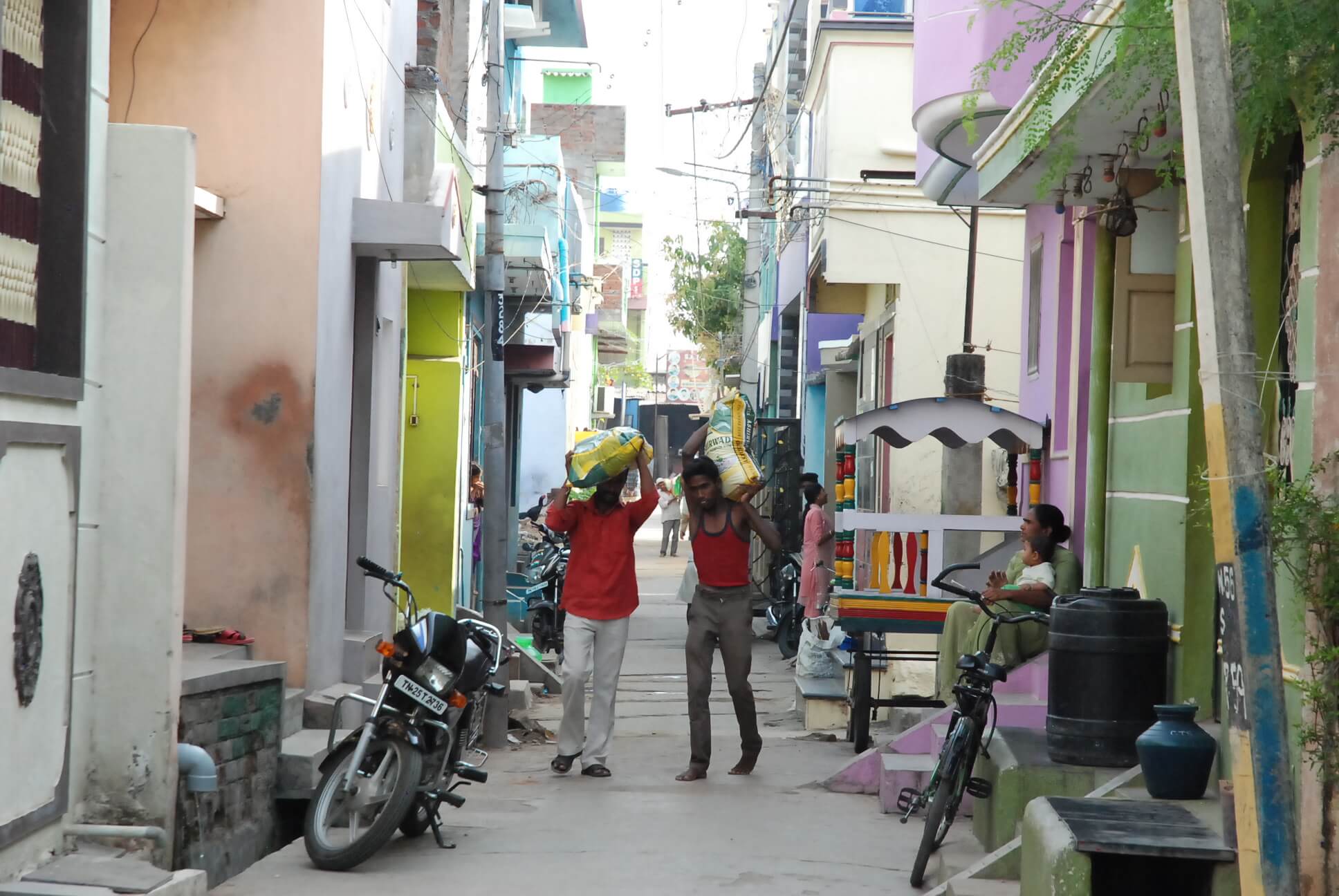
“From what we saw, we felt the basic needs of the rural population were very great. The unmet needs were always related to living in the cycle of poverty and lack of health and educational opportunity to break that cycle. Much of the land was very arid and most people were getting by with barely enough food for their daily needs. The nearest hospital was the famed Christian Medical College in Vellore, but getting there was difficult for the villagers who needed medical assistance.
People did not have the necessary funds to pay even the transit fare, or any medical fees. Villagers were also suspicious of a modern hospital with practices and procedures many people could not understand. In the village the lack of basic amenities such as clean water, medicine and sanitation created serious health risks for the poor.
We began to understand the extent of the difficulties local people faced. We also realized the tremendous importance the Om Sakthi Narayani Siddar Peedam Charitable Trust initiatives held for the future of people in Thirumalaikodi, as well as Vellore and Tiruvannamalai Districts. With our observations and gradual realizations, we happily got involved in all of the charitable programs we could find.”
“One of the charitable programs we saw provided full-course, traditional South Indian meals that were served hot to approximately 200 poor people every day. For many of the recipients, their circumstances were such that it was their only substantial meal that day. We assisted with serving the food, which was much like volunteering at a North American soup kitchen, except that the food was served on banana leaves and eaten by hand. We decided to support the nutritional programs by helping to serve the hot meals whenever we could.
We saw other charitable programs at the nearby orphanages for children who were there sometimes simply because their parents were unable to take care of their daily needs and provide basic necessities. We excitedly decided to support this program as well. We provided the children with gifts, entertainment and brought lunch whenever we could.
One of our favorite programs was the nursery school which was located in a home in the center of the village. At the time of our first visit, the Thirumalaikodi Nursery School provided early education for about thirty five preschoolers. The nursery school was an important undertaking because parents were able to continue working as their children learned. These children were all first generation learners and the first in their family’s history to receive a formal education. We felt that early education would surely break the cycle of poverty for these children by educating them for a better future.”
“Another humanitarian program offered vocational training to men and women. New work skills such as carpentry, landscaping, sewing, office administration, computer training and teaching were taught. The skills acquired from these training programs allowed participants to supplement their income and improve on their subsistence life style.
Despite the feeling that we were roughing it, we enjoyed our adventure in this small community with its different sights, sounds and cultural experiences. Most of the people we met spoke Tamil or Telugu with a bit of Hindi as well. Linguistic challenges aside, we felt very welcome and a lot like celebrities.
We spent time hiking in the arid hills nearby and learnt about plans for a large scale and much needed reforestation project. Reforestation would restore ancient native forests which were cut down to provide firewood for warmth and cooking. As a result, the main crop on the hills was grass which provided feed for ranging livestock. Reforestation would also stabilize the severe erosion of the soil and lower local temperatures.”
“We travelled throughout South India and visited many notable cultural sites. We continued to meet many kind and helpful people who offered us their warmest hospitality. Too soon it felt, we made the trip back to Chennai and boarded the plane for the return journey home. Once we returned to Canada, we found ourselves reflecting on our travels in India. We recounted our experiences with other Canadians who had also taken an interest in the area. We laughed about the culture shocks we experienced, noting how our friends and family responded to the stories we relayed. We also realized the incredible opportunity that this work presented to us, the opportunity to serve others in need. New friends, new stories, new ideas, new hope for rural Indian communities. The next thing we knew, we were planning another trip to India!”
NUTRITIONAL outreach for needful people
• Free healthy meals were being provided to larger numbers of people in need.
• The reforestation program was underway and the formerly barren hills we had hiked over were now covered with small native trees and bushes.
• Small shops and buildings were sprouting up in the neighborhoods to support visitors.
• A two-room medical clinic which provided medical help to women was inaugurated. The clinic allowed local women with medical help to deliver their babies. At the time of our first visit, most births occurred in the home or the field.
The expanded charitable outreach we saw in just a year meant that more and more people were receiving improved nutrition, better medical services, better education and a better environment. Those changes created opportunities for better health, better employment and greater self-reliance. The new opportunities created positive changes for men, women, and children, as well as their extended families and communities. We started to see the Hundred Year Vision of the humanitarian development plan that was being established in India.
We were so impressed with the extent of the changes that had taken place in such a relatively short time that it motivated us to become actively involved. We wanted to help build on the successes of these programs which were so critical in helping to improve the lives of the people in India. The whole experience was a new awakening for us. We joined the Hundred Year Vision and made the decision to become actively involved and contribute to the humanitarian development plan we could clearly see that was underway. Sharing our experiences in India with people in North America nurtured our desire to return regularly to the communities that Opened Our Hearts and Minds in India.
We have continued to be involved and engaged in the sharing experience ever since and continued to champion the Hundred Year Vision that allows communities to identify their needs and help themselves.
We have returned almost every year since 2000. Through each visit we were amazed at the extent of the social change taking place. We saw and participated in the expansion of nutritional programs; the construction of new schools and hospitals; the establishment and expansion of Rural Community Health Clinics and the restoration of a healthier environment.
Our experiences in India and the Hundred Year Vision inspired us to support the charitable programs we saw through the establishment of Canadians Sharing Locally and Globally. What makes our involvement in India so special is the mutual sharing that takes place. While we assist in providing better opportunities for current and future generations, our charitable involvement also changes us. Our Hearts and Minds have opened to the plight of disadvantaged people all over the world and an army of dedicated volunteers and donors has rallied to the important cause of giving people everywhere the tools required to change their lives for the better.
Our Hearts and Minds Have Opened as we see the significant impact our charitable work has made. Sharing these experiences worldwide and engaging others in sharing their time, talent and resources has built momentum to assist with social development in India and disaster relief worldwide.
We believe that sharing by bringing communities together can do great things supporting a Hundred Year Vision for development. We believe that we can work together to help others in need, grow personally, and have satisfaction and fun while we’re at it!
We are rapidly expanding our sharing networks as people from all over the world have been drawn to share with us. Canadians Sharing Locally and Globally embodies a concept of sharing that pledges to remove the social inequalities we see around us.
We have expanded on our nine Indian humanitarian and one international disaster relief programs with the donations received to date. What we find really remarkable as we became engaged in these programs, is the outpouring of love, gratitude and hope that is being generated from both donors and recipients.
It is through love and hope that Canadians Sharing continues to create impact through dedicated volunteers and solid donor support. Through Canadians Sharing Locally and Globally, we are helping to build better lives for us all, especially to provide better health and opportunities for those in less fortunate circumstances.
We believe our charitable work will relieve the cycle of poverty and lack of opportunity and create lasting equitable change. All of us at Canadians Sharing extend our heartfelt invitation to come share with us. Together we can reach out and offer more support and hope to those in need.

Canadians Sharing Locally + Globally Charity provides medical, nutritional, educational, environmental and disaster relief outreach in India and around the world. As an entirely volunteer-orientated organization with no employees, every donation is invested efficiently and directly into our impactful humanitarian programs.